Marsha and Pratimarsha Nasya

Marsha Nasya = treatment on an occasional basis
Pratimarsha Nasya = treatment on a daily basis
Instructions for Marsha Nasya
Instead of laying down and tilting your head back in order to receive oil drops, Marsha Nasya involves dipping your little finger (pinky) into a small amount of medicated ghee or oil and inserting it into each nostril. The ghee/oil is slowly massaged clockwise against the inside of the nose. Then counter clockwise to relieve stress.
*Fingernail must be kept short to avoid damaging delicate mucus membranes.

Marsha Nasya is most prominently known for balancing long-lingering imbalanced doshas in majja dhatu and manos vaha srotas. Emotional blocks in the respiratory tract may be released and so breathing patterns may change as a result of improved lung functioning. This promotes tarpaka kapha and balances prana vayu as well as sadhaka pitta.
Marsha Nasya practice is best for people with little time in their day. The benefits can be less penetrating and more localized and lubricating than Nasya oil nasal drop administration methods.
Pratimarsha is simply the term for the above method performed on a routine daily basis as a part of your dinacharya. Marsha Nasya is administered once in while or as needed.

Marsha and Pratimarsha Nasya can be administered:
in the morning and evening
AFTER urinating/defecating
on an empty stomach (not hungry or starving)
after vamana has been given
after a nap or siesta
following a prolonged walk
after massaging the scalp or feet
after having netra bindu (eye drops)
after brushing the teeth and scraping the tongue
after prolonged loud laughter or cheering
after heavy exercise or exertion (unlike some other methods of Nasya)
There are no specific contraindications. It is simply recommended to use the appropriate substance for the particular doshic imbalance.
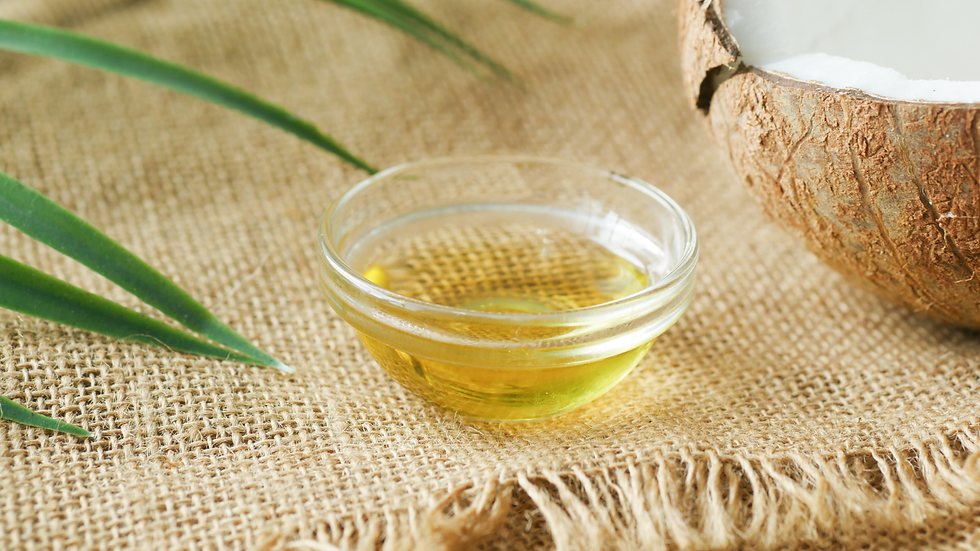
Oil for Vata: sesame, ghee, Super Nasya, Vacha Tailam/Sidha Soma, Anu Tailam
Oil for Pitta: Brahmi Ghee, Sunflower Oil, Coconut oil, Super Nasya
Oil for Kapha: Vacha tailam, medicated calamus, or mustard oil diluted with 1/2 sesame oil.
Tri-doshic oil = warm ghee and Super Nasya
Marsha Nasya and Pratimarsha Nasya are wonderful ways to incorporate Nasya oil treatments into your dinacharya, especially when your time is scarce.
Much Love,
Meg

Comments